For Creators, Performance Is Creative Freedom
Jul 27, 2026
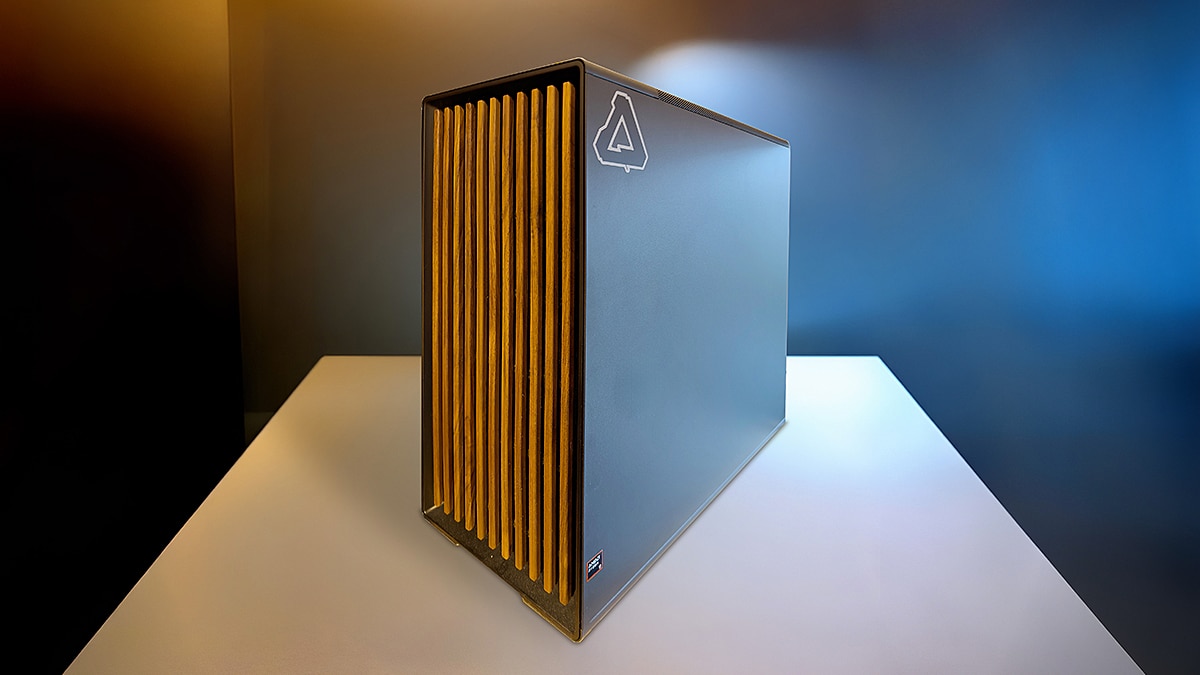
See how music photographer and CG artist Peter Neill uses AMD Ryzen processors, Ryzen AI-powered mobile performance, and Affinity by Canva to keep large-image editing fast, fluid, and creative.
For creators, the best technology does not interrupt the moment. It disappears into the work.
That is the kind of creative flow Peter Neill depends on. Neill is a music photographer and CG artist whose work includes Queen, U2, Rick Astley, Justin Timberlake, Sony Music Entertainment, Columbia Records, and Billboard. After a live shoot, he may need to sort and develop thousands of large RAW files. For Ultrawidewallpapers.net, the site he co-founded for custom ultrawide desktop wallpapers; he regularly post-processes dozens of massive dual 4K images in a single work session.
When files get that large, every delay matters. A slow preview, a lagging slider, or a pause while the system catches up can break concentration. For Neill, that was the problem with his previous workflow. Editing began to feel less like making creative choices and more like fighting the machine.
Switching to Affinity by Canva and AMD Ryzen™ processors helped change that experience.
Neill describes the difference in simple terms: responsiveness. RAW editing felt fluid again. Adjustments could happen in the moment, closer to the way a photographer expects a camera to respond. That matters because creative work is not only about final exports. It is about staying close to the idea while the idea is still alive.
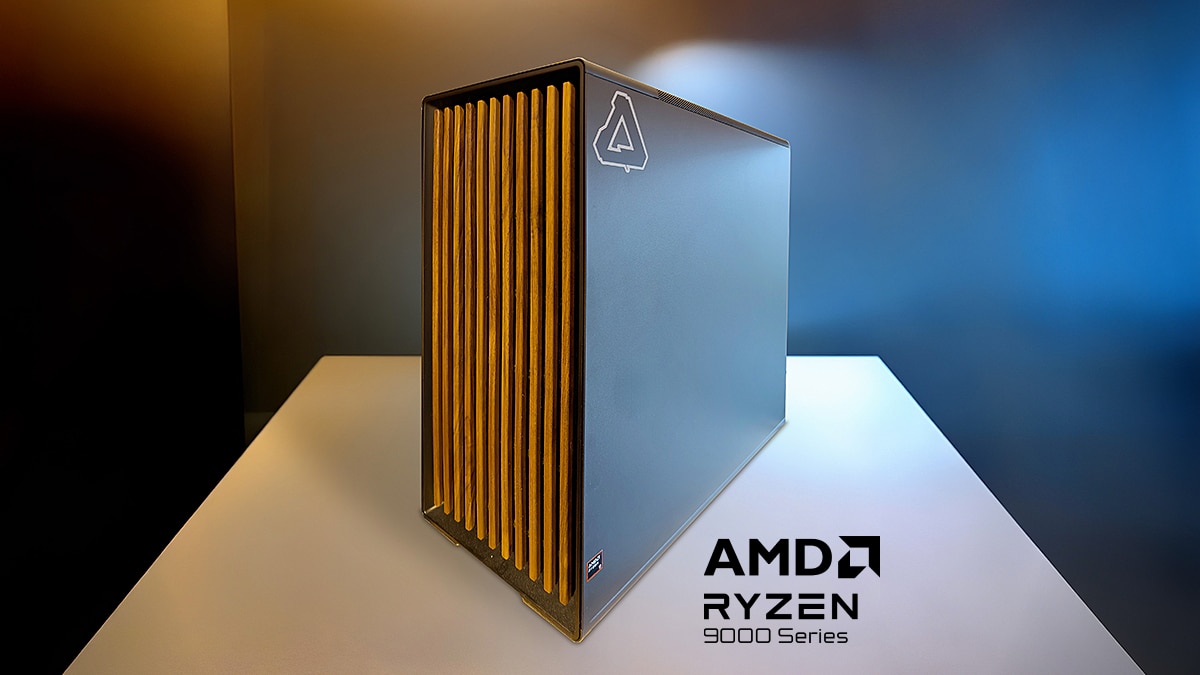
On the desktop, Neill built his current workstation around an AMD Ryzen 9 9950X3D processor. For his workflow, the high core count helps him keep many ultra-high-resolution images open in Affinity at the same time, moving through them one by one without the system getting in the way. It is the kind of performance that supports the less glamorous but very real side of creative work: sorting, testing, retouching, blending, correcting, and finishing.
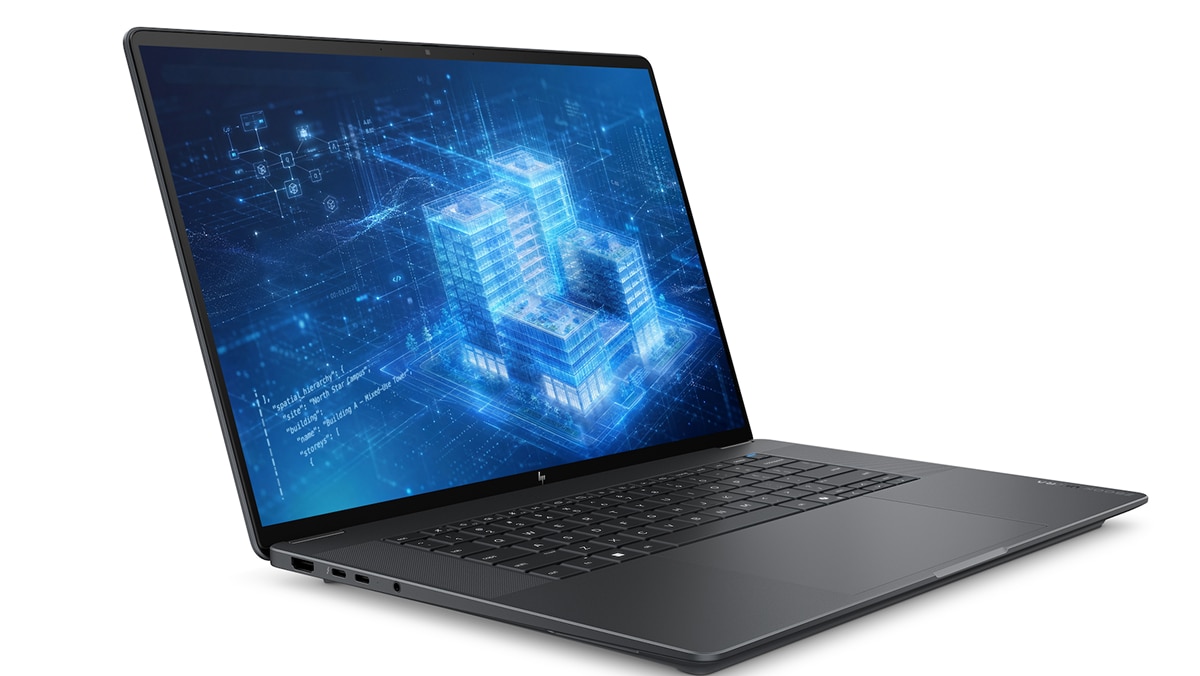
On location, the story becomes even more interesting. Neill also uses an HP ZBook Ultra G1a powered by an AMD Ryzen AI Max+ 395 PRO processor. For creators who move between studio, travel, shoots, and client review, that kind of system points to what Ryzen AI can mean in practical terms: powerful CPU and graphics performance in a mobile form factor, plus an architecture designed to handle modern AI-assisted and media-heavy workloads.
Ryzen AI is not about replacing the creative process.
Neill calls out the value of having CPU and GPU resources together in one integrated processor, especially when reviewing thousands of large images after a gig. With huge 120MB RAW files and demanding visual workflows, the benefit is not abstract. It is the difference between waiting on the system and staying inside the edit.
That is also important for the way creative work is changing. Neill uses generative AI as part of his wallpaper workflow, training models on his own photographic archive, then treating AI outputs like raw creative material. He then brings those outputs into Affinity for further refinement, including blending variations, removing imperfections, adding depth and noise, cropping, and color correcting until the final image feels finished.
That is the bigger AMD story for creators. Ryzen AI is not about replacing the creative process. It is about giving creators more room to explore, iterate, and finish without the PC becoming a bottleneck.
When technology is working well, it should be invisible to an artist.
For photographers, designers, CG artists, video editors, and AI-curious creators, that is the promise of AMD powered creation: performance that protects your flow, flexibility for new workflows, and the confidence to keep making when the files get bigger, the ideas get more ambitious, and the deadline gets closer.

Related Blogs
-
AIM: Unified User Experience from Profile Discovery to Deployment — ROCm Blogs
Learn how AIMs offer a unified user experience as you explore and deploy them across AMD Instinct, Radeon PRO, and EPYC.
September 29, 2026
-
Beyond TOPS: AMD Ryzen™ AI Embedded X100 at the Edge
Scale agentic AI at the edge with AMD Ryzen™ AI Embedded X100 Series: more concurrent agents, unified memory, x86 compatibility, and long life.
September 24, 2026
-
Advancing Gaming with AMD at G2E 2026
Discover how AMD Ryzen Embedded processors are powering next-generation casino gaming experiences at G2E 2026. Explore innovative platforms from ADLINK, Advantech, Axiomtek and Quixant, featuring high-performance computing, advanced graphics, AI capabilities, multi-display support and reliable, scalable designs built for demanding, always-on gaming environments worldwide and faster product development and deployment.
September 24, 2026
-
Advancing AI 2026: From Gigawatt Data Centers to Agentic PCs
Explore how AMD connects data center, cloud, and local AI to enable secure, cost-aware agentic workflows across enterprise PCs.
September 16, 2026
-
AMD Brings Local AI to Autodesk University 2026
See how AMD brings local AI and AI-ready workstations to Autodesk University 2026 for demanding design, engineering, and AEC workflows.
September 15, 2026
-
81% of Organizations Are Moving Toward AI PCs
Recent IDC research sponsored by AMD shows 81% of organizations are deploying, piloting, or planning near-term AI PC adoption.
September 14, 2026
-
Create, Connect, Control: AMD at IBC 2026
See how AMD and its partners are advancing practical AI, media workflows, high-resolution production, and security at IBC 2026.
September 11, 2026
-
AI Productivity at Scale: From Everyday Assistance to Autonomous Execution
How AMD scales AI productivity enterprise-wide with ACE, the Aria AI Suite, and autonomous systems that execute work instead of just assisting.
September 10, 2026