Overview

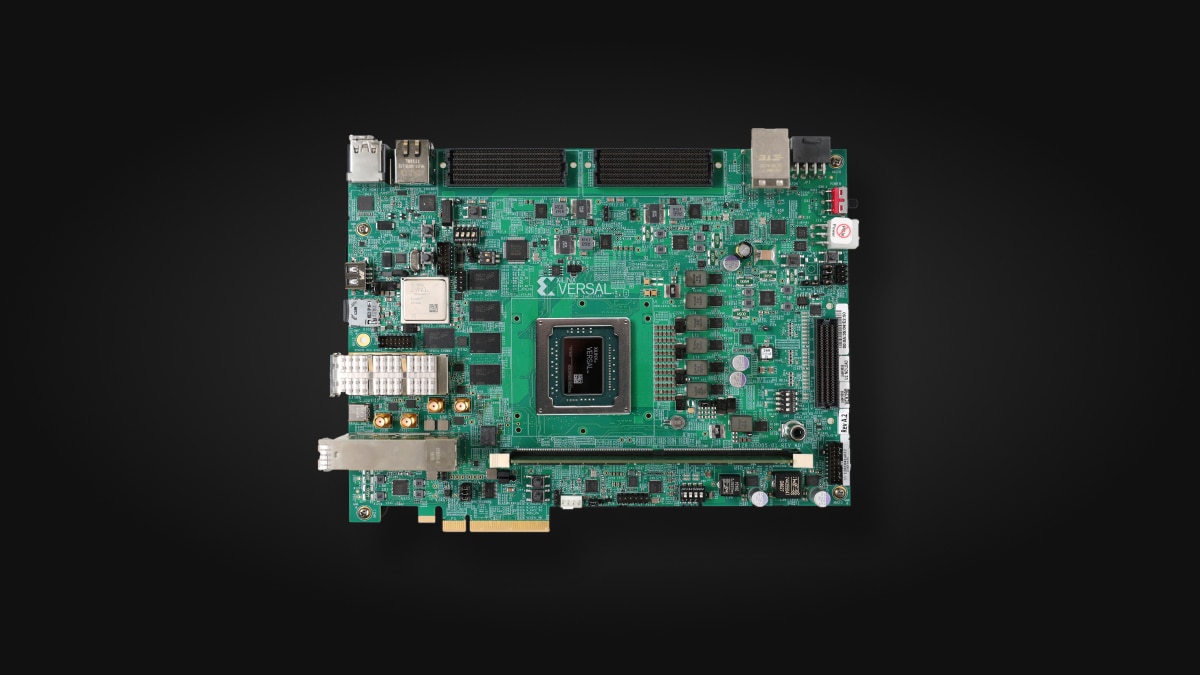
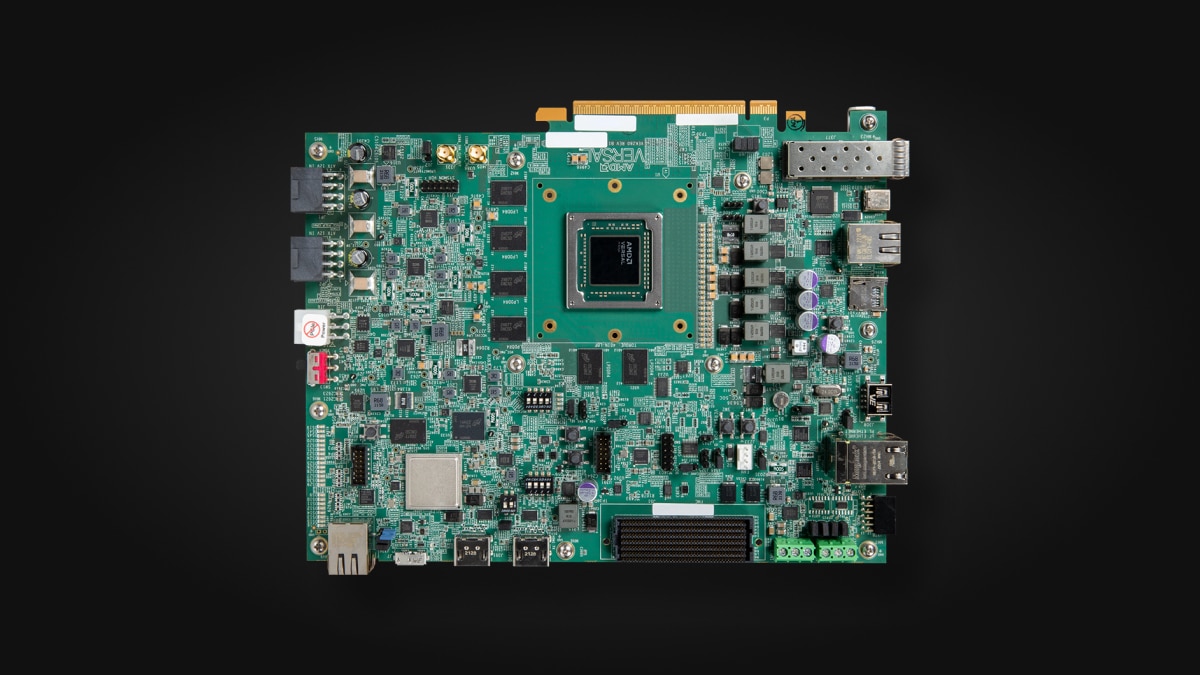
AMD extends its heritage in space applications, extending the XQR Space-grade portfolio with AMD Versal XQR Adaptive SoCs.

Versal adaptive SoCs combine adaptable processing of the programmable logic and acceleration engines with leading-edge memory and interfacing technologies to deliver customized, powerful heterogeneous acceleration for any application.

Visit the Space Applications page to learn more about the broader space-grade offerings and solutions.

Portfolio

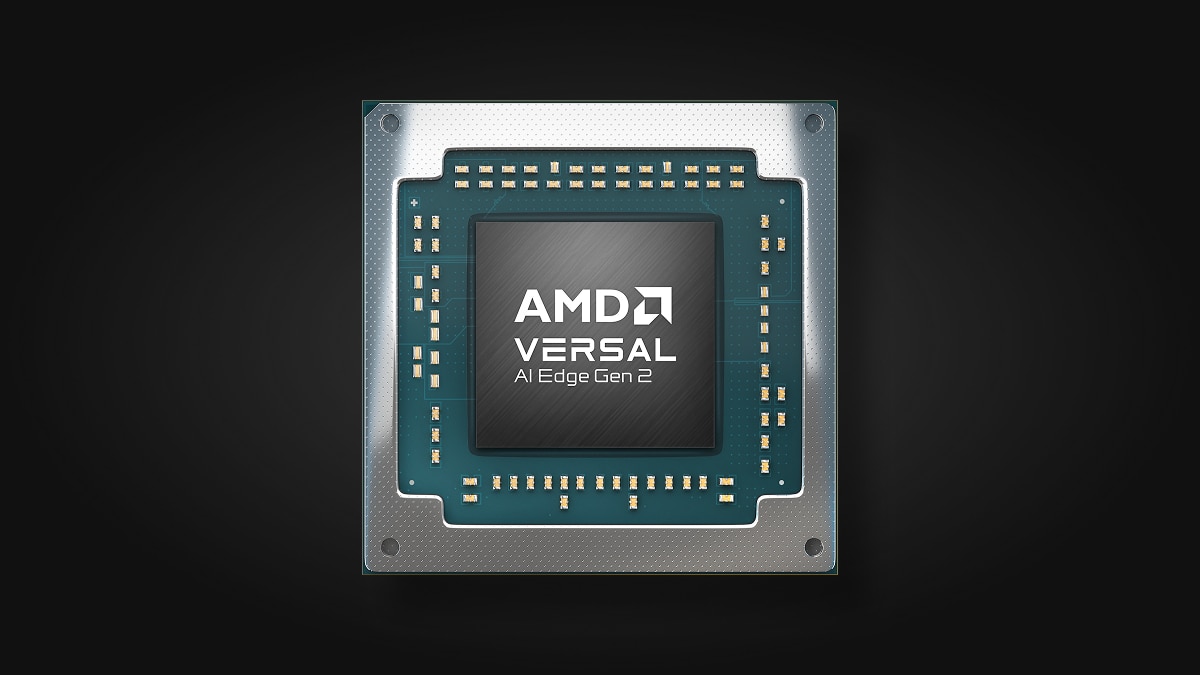
AMD Versal AI Edge Gen 2 XQR Series

AMD Versal AI Edge Gen 2 XQR Series

  • Increased application processing performance for next-generation space missions
  • AI Engines optimized for ML inference, delivering up to 3x TOPS/Watt vs AIE-ML1
  • Integrated security, vision, video, and programmable computing in a single adaptive platform
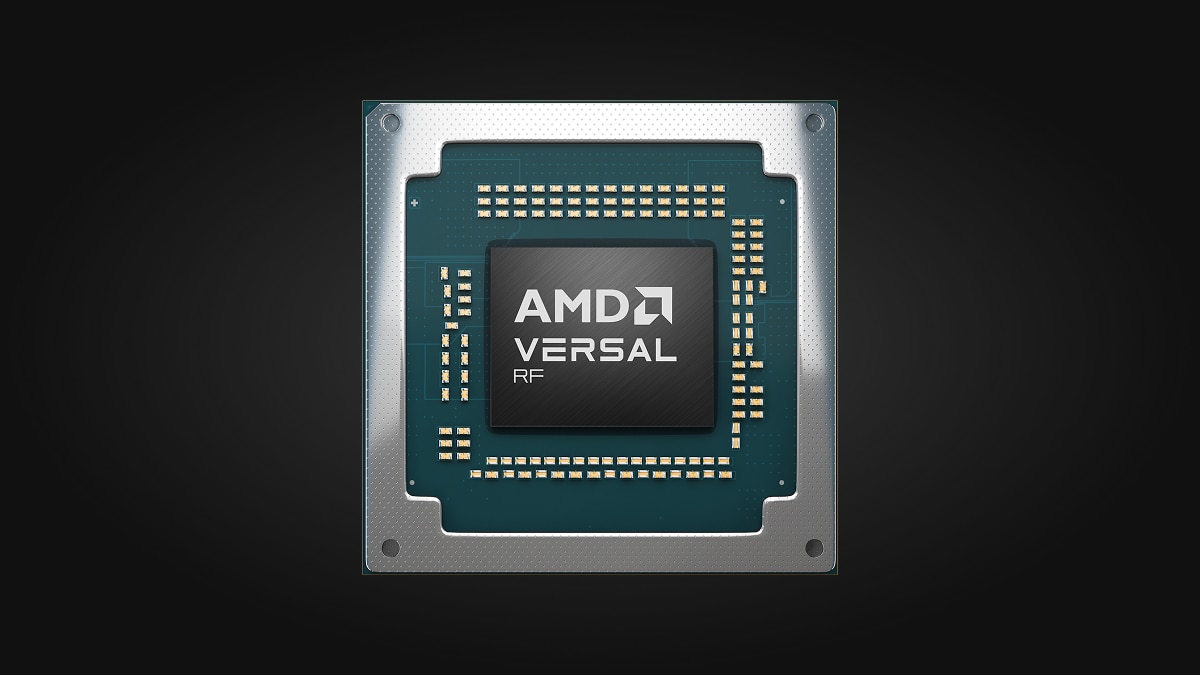
AMD Versal RF XQR Series

AMD Versal RF XQR Series

  • Integrated RF data converters and signal processing functions
  • Direct RF sampling supports wideband spectrum capture and analysis
  • Reduced size, weight, and power through monolithic integration
AMD Versal AI Edge XQR Series

AMD Versal AI Edge XQR Series

  • AI engines optimized for ML inferencing applications
  • Low power consumption and low latency
  • Small form factor packaging
AMD Versal AI Core XQR Series

AMD Versal AI Core XQR Series

  • Heterogeneous computing architecture featuring vector, scalar, and DSP compute resources
  • AI engines optimized for signal processing and ML inferencing applications
  • Optimized for complex matrix multiplications

Specifications

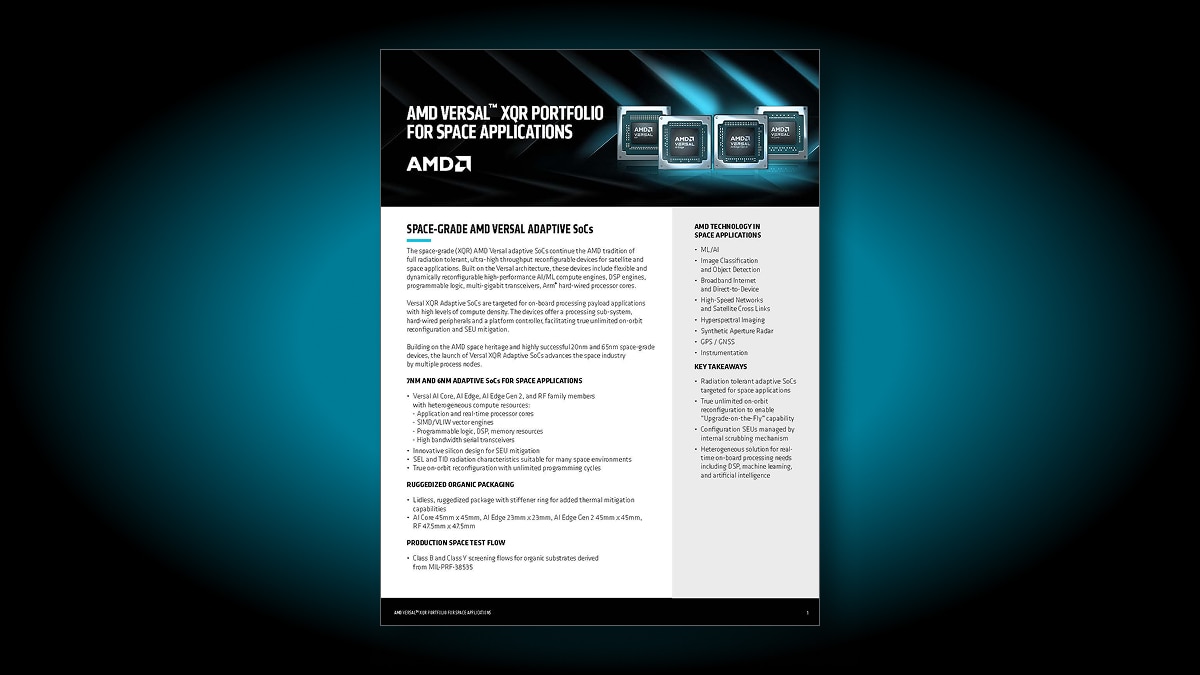
The Space-Grade (XQR) Versal Devices are a continuation of AMD ultra-high throughput, machine learning capable, and high-bandwidth Versal™ Adaptive SoCs, offering reconfigurability dedicated to satellite and space applications. The Versal XQR Series is targeted for onboard processing payload applications with a dramatic increase in system logic cells, onboard SRAM, and multi-gigabit transceiver bandwidth to enable vector-based algorithms and high-speed signal processing. Building on AMD space heritage, these devices advance the space industry by supporting multiple process nodes, setting a new standard for reconfigurable solutions in space.


Available Space-Grade Features:

  • Radiation tolerance with comprehensive single event effects characterization
  • AMD class B manufacturing, qualification, and burn-in process
  • Enhanced organic ruggedized package, extending from defense-grade
  • Full M-temp range support, -55C to +125C
  • Mask set control
  • Intended for Space environments and Space 2.0 applications

Developers

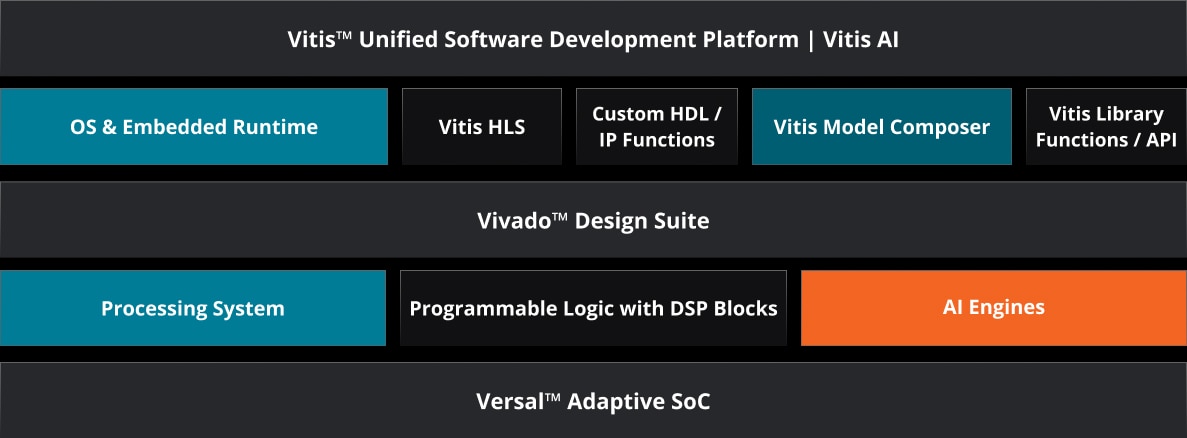
AMD provides a leading software development environment for designing with adaptive SoCs and FPGAs—this includes tools (compilers, simulators, etc.), IP, and solutions.

​This environment can reduce development time while allowing developers to achieve high performance per watt. AMD adaptive SoCs & FPGA design tools enable all types of developers from AI scientists, application and algorithm engineers, embedded software developers, and traditional hardware developers to use AMD adaptive computing solutions.​

Connect with AMD

Access the Space Secure Site or contact an AMD sales representative.

Footnotes
  1. Based on AMD internal performance and power projections for the AIE-ML v2 compute tile architecture in the Versal AI Edge Series Gen 2 using the MX6 data type, compared to performance specifications and AMD Power Design Manager power results for the AIE-ML compute tile architecture featured in the first-generation Versal AI Edge Series using the INT8 data type. Assumptions: 2 row, 8 column sub-arrays. Operating conditions: 1 GHz FMAX, 0.7V AIE operating voltage, 100C junction temperature, typical process, 60% vector load, % activations = 0 < 10%. Actual performance will vary when final products are released in market. Performance projections as of March 2024. (VER-023)