Light Sail VR Uses AMD Agent Computers to Scale Hollywood Production
Emmy Award winning studio runs its AI production coordinator locally, reducing reliance on cloud model inference and giving its creative team more time for storytelling
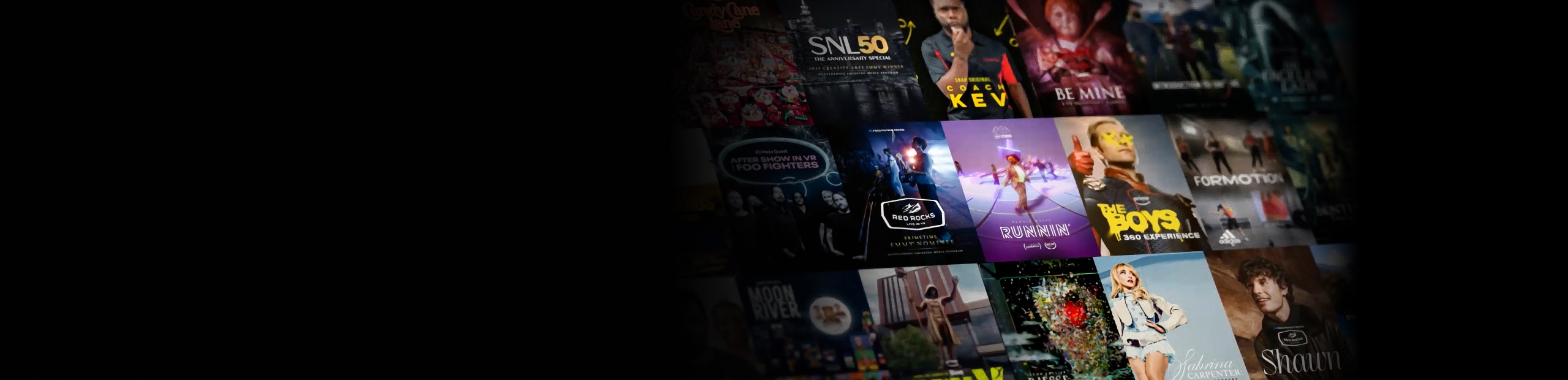
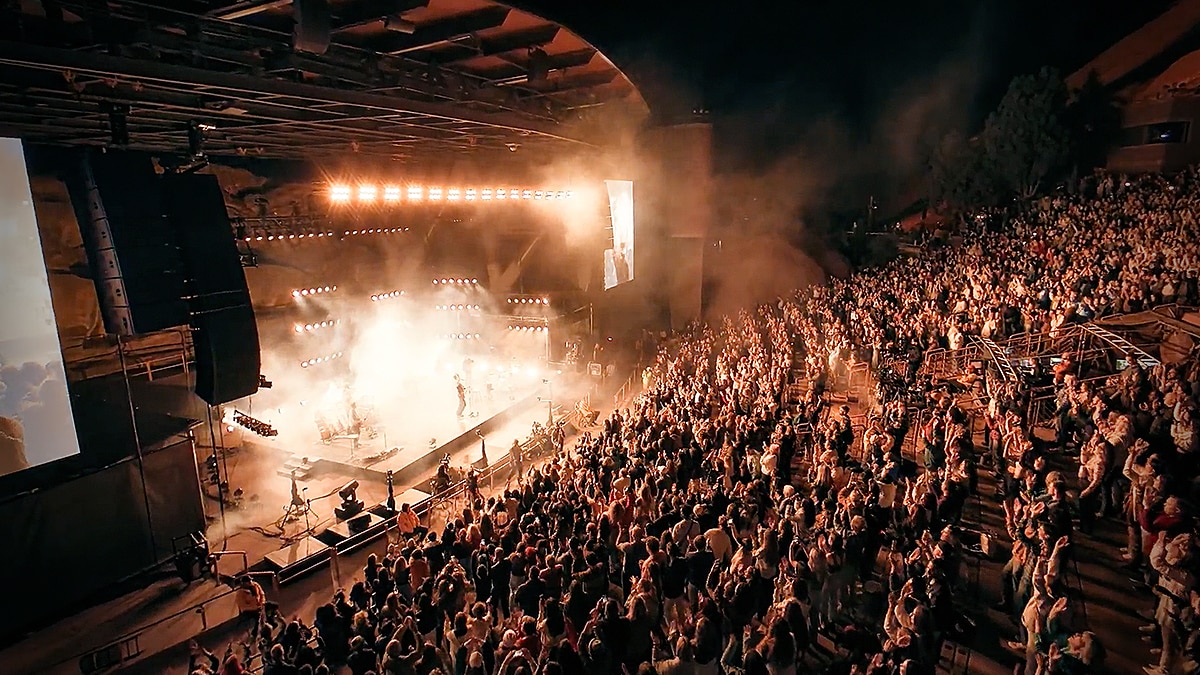
Light Sail VR is an Emmy Award-winning production company that creates immersive experiences for entertainment companies, technology brands, and agencies. Over the past decade, the studio has developed work for Sabrina Carpenter and Meta, Amazon's The Boys, concerts at Red Rocks, and the 50th anniversary of Saturday Night Live.
Light Sail VR operates with a small team and must balance artistic creation and logistical complexity across many projects simultaneously. As its clientele grew, routine coordination began to consume time that founder and CEO Matthew Celia wanted to spend on storytelling and imaginative work. Cloud AI can theoretically handle this type of project, but Celia saw specific advantages in adopting local agents.
“Using frontier-level models posed two big problems. One, iterating on them was expensive. Two, there are privacy concerns at a production company like us with a client list,” Celia explained. There is a level of security that our clients expect from us, and I don't feel comfortable sending any of that information outside these four walls. This is where I started looking to local AI, where I can keep it secure and private but also iterate endlessly without worrying about thousands and thousands of dollars in token usage."
Both concerns were paramount as Light Sail VR evaluated its options. Because it works with Hollywood studios and technology companies with strict secrecy and NDA requirements, Light Sail VR needed an AI solution that could protect both its data and the trust it has built with clients over the long term. AMD Ryzen™ AI processors and AMD Radeon™ graphics jointly provided the AI solutions the company was looking for.
Building the Agent
Celia describes filmmaking as a team sport, one that’s enhanced and improved by doing the work with a group of people—but coordination becomes increasingly difficult as teams grow and additional projects are added to the schedule. To address this issue, Light Sail VR decided to build an agentic production coordinator that could keep project timelines aligned and moving. Agents, according to Celia, are “game-changing” for their ability to free up brain space, and the company’s new AI deployment has allowed Light Sail VR employees to focus more on the creative side of their jobs.
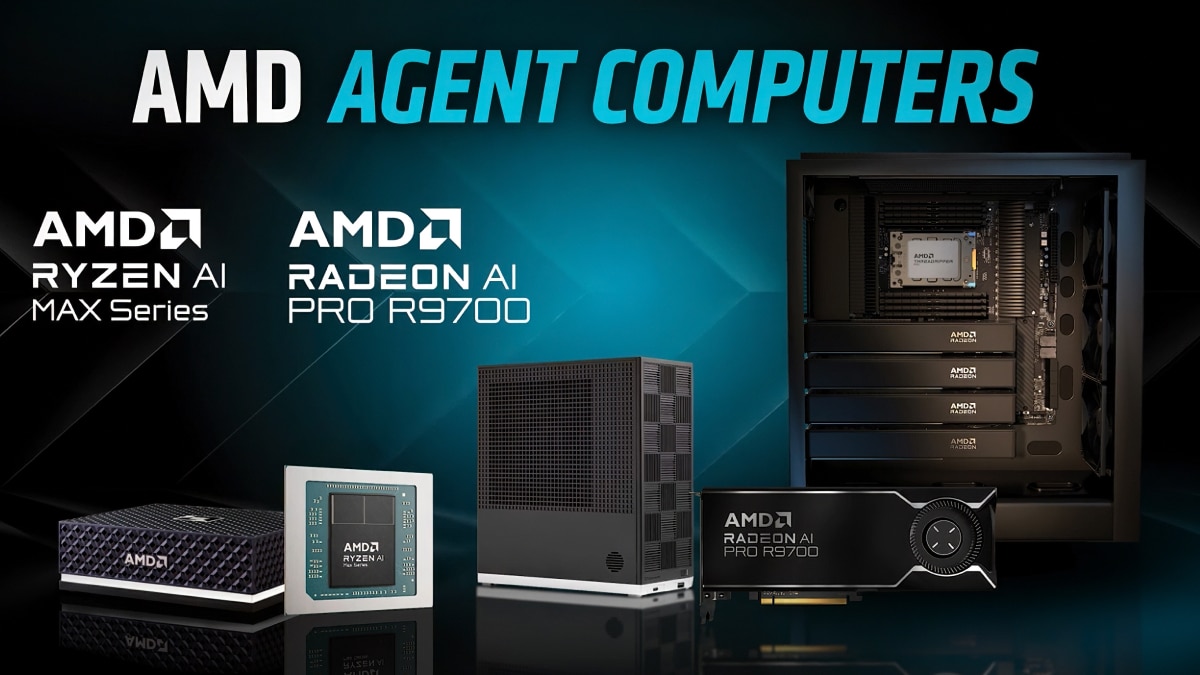
“We started our workflow with a Framework desktop running an AMD Ryzen Max processor with 128GB of unified memory,” Celia recounted. “What was great about the AMD Ryzen AI Max was that you could run several models all at once. You can try the same prompt in many different ways and you can really start to dial in contextually what's going to work best for your application.
“Then we implemented an AMD Radeon PRO R9700 graphics card because the speed increases were phenomenal... This agent, more and more, has started to feel like a core member of our team. Somebody who can help keep track of all projects we have going on, the calendars, the deadlines, the notes, the stakeholders—instead of wondering what I have to do next, I get a status update in my Slack channel from this coordinator that says ‘Here are the projects that are most important to put attention on today.”
From Pilot Project to Production Coordinator
Light Sail VR trained its agentic coordinator to understand regular business operations and to recognize when schedules, stakeholders and projects needed attention. The Light Sail VR team already communicated via Slack, so deploying the agent in that application was the easiest way to make it available across the entire company. That familiar interface helps the agent function as part of the daily production process rather than as a separate experiment.
Before deploying the coordinator, Celia says he could personally manage one or two jobs at the same time. With administrative work shifted to the agent, he reports that he can now oversee six to nine jobs with a comparable level of personal effort.
“For us at Light Sail—we're a small company, we're a small team,” Celia explained. “In order to operate as a small team, we need to think big. We have to be really efficient, and when you do… 6, 7, 8, 9, 10 projects at once, that are all hitting at the same time, there's no way that's sustainable for us. A traditional movie is 4K, at 24 frames per second. We're shooting 16K, 90 frames a second, stereoscopic 3D, terabytes and terabytes of data.” Asset management is a non-trivial task in any video production; turning aspects of that process over to an agent is a way to free human production coordinators from critical—but not particularly fulfilling—administrative overhead.
Light Sail VR’s previous workflows were entirely manual. As client feedback arrived via platforms like Frame.io, the notes were moved to Google Docs and the necessary adjustments to schedules and timelines were made individually. Now, Celia can message the agent from Slack and ask it to adjust production timelines to move due dates forward or backwards. The agent updates the documents, revises the Google Sheets schedule, and sends the email without additional input from him. This same workflow is available when the CEO is away from his desk. Because communication is handled via Slack, updates and changes can be streamlined into schedules even when employees are busy with other aspects of production.
Creating a Larger Agent Team
Light Sail VR is exploring a story-producer agent that could review interview material, identify repetition or unclear comments, and help the team assess an episode's structure while the human creators retain editorial control. The company is also considering a research-focused social media agent. That system could monitor performance across posts, compare how different platform references affect engagement, surface comments requiring moderation, and help the team decide where to focus.
Following the coordinator's success, Celia wants to expand access to more team members so each person can train an assistant around their own responsibilities. The goal is to give a small creative team more production capacity while keeping its people focused on the work audiences ultimately see.
More Time for the Work People Value
Celia expects agents to take on a growing share of the necessary administrative work in entertainment production. Directors, producers, writers, editors, and designers can then spend more of their time shaping the content. Light Sail VR shows how an AMD Agent Computer can bring local AI agents into everyday workflows, helping the studio manage more projects, respond faster to change, and keep sensitive work under local control while its team stays focused on creative work.
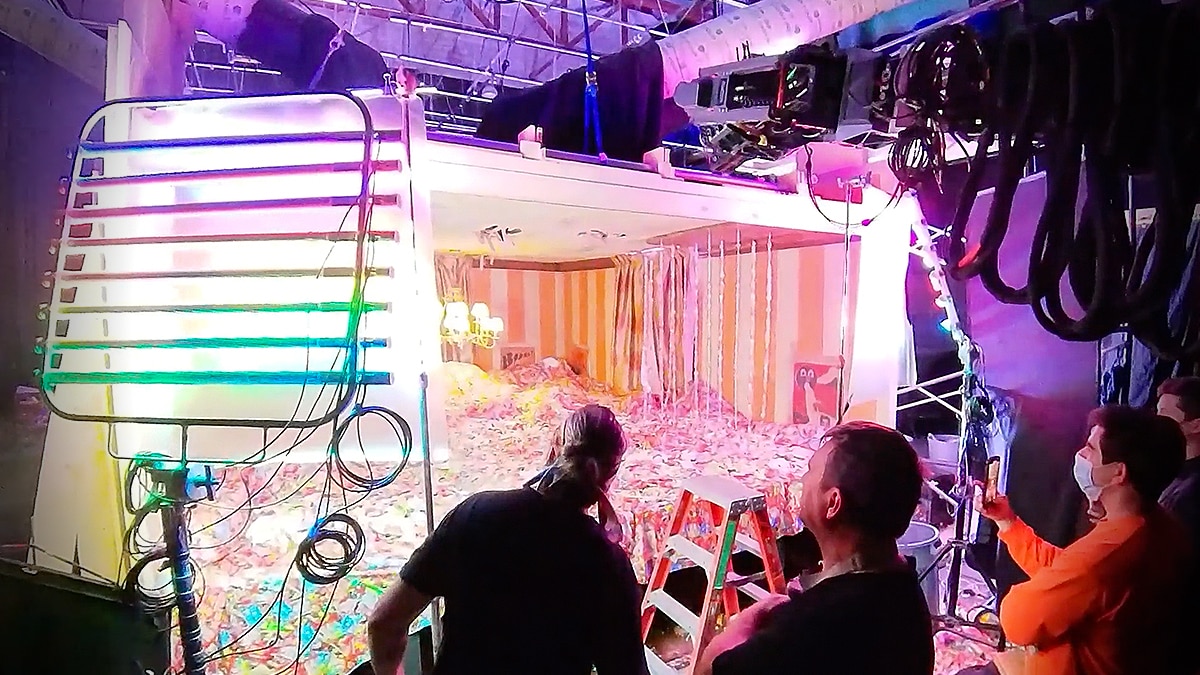
About the Customer
Light Sail VR is an Emmy Award-winning production company specializing in immersive experiences. The studio works with entertainment companies, technology brands, and agencies to develop stories for emerging platforms. For more information visit lightsailvr.com.
Case Study Profile
- Industry:
Media and entertainment
Immersive production - Challenges:
As Light Sail VR grew, its team struggled to manage rising administrative overhead without taking time away from critical creative work. - Solution:
A local AI production coordinator first developed on a Framework Desktop powered by AMD Ryzen™ AI Max processor, then deployed on a system featuring AMD Radeon AI PRO R9700 graphics cards. Employees access the coordinator through Slack on desktop and mobile. - Results:
Up to nine jobs can now be managed with the effort that one or two used to require. Light Sail VR is now evaluating new ways to deploy agents and further improve overall efficiency. - AMD Technology at a Glance:
AMD Ryzen™ AI Max processors
AMD Radeon™ AI PRO R9700 GPUs