How Ryzen AI Max PRO 400 Supports Local AI Agents
Explore how greater local memory and compute give businesses more options to develop and run demanding AI agent workflows on commercial PCs.

Agentic PCs help employees work alongside AI agents while supporting low cloud inference costs, optimizing token usage, and keeping enterprise data closer to where work happens.

THE EVOLUTION OF WORK
An Agentic PC is your everyday PC, designed to help people work alongside AI agents. Depending on how it is deployed, it can also be configured as a dedicated Agent Computer that runs autonomous AI agents continuously.

2023–2024
Answer Questions
what it takes
2025–2026
Understand Context
What it takes
2026 and Beyond
Complete the Work
what it takes
The future of enterprise AI isn't about asking better questions. It's about how Agentic PCs enable employees to delegate routine work to AI agents while staying in control of decisions and outcomes.
From AI Assistance to Agentic Computing
For decades, enterprise PCs have helped employees get work done. Agentic PCs help employees delegate routine work to AI agents, enabling people to focus on higher-value decisions while keeping enterprise AI protected, efficient, and cost-effective.

As organizations deploy more AI agents, cloud inference costs grow with every task they perform. Agentic PCs help reduce recurring cloud costs, optimize token usage, and provide a more predictable model for enterprise AI.
Compare local, cloud, and hybrid AI deployments to estimate infrastructure costs, optimize token usage, and quantify the business impact of Agentic PCs.
Faster task completion vs. 4-year-old laptop2,3
Six Parallel Agents, Heavy Tool, Developer Workflow
ChatGPT 5.5 High / Codex
The most demanding Agentic AI workloads benefit from high-performance Agentic PCs.
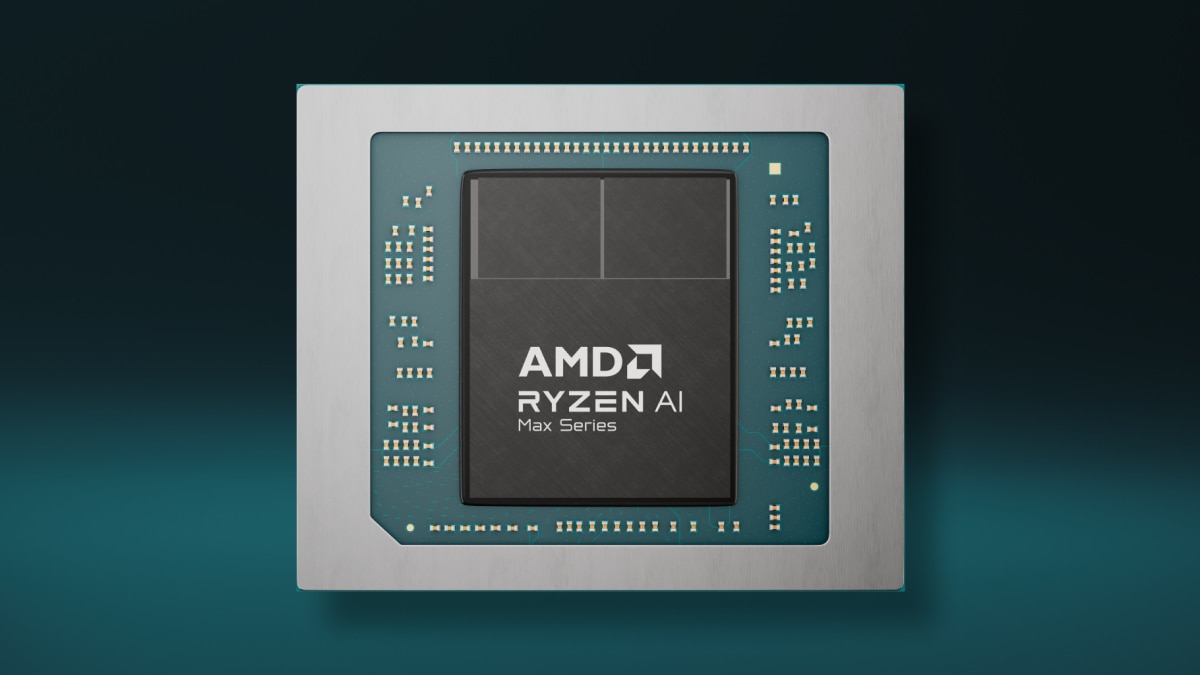
While many Agentic PCs accelerate everyday productivity, advanced enterprise AI workloads require greater compute performance, larger unified memory, and the ability to run multiple AI agents locally. AMD Ryzen™ AI Max PRO is purpose-built for these demanding scenarios.
PROVEN AGENTIC PC USE CASES
Monitors infrastructure, investigates incidents, executes remediation playbooks, and documents resolution steps.
Reviews the codebase, implements features, runs tests, and opens a pull request.
Coordinates executive calendars, prepares briefings, builds travel itineraries, and drafts follow-up actions.
Detects threats, investigates activity, executes response playbooks, and documents security actions.
Resolves customer requests, retrieves account history, drafts responses, and updates CRM records.
Reviews filings, builds valuation models, identifies risks, and drafts investment memos.
AI infrastructure demands are increasingly determined by the workflow around the model.
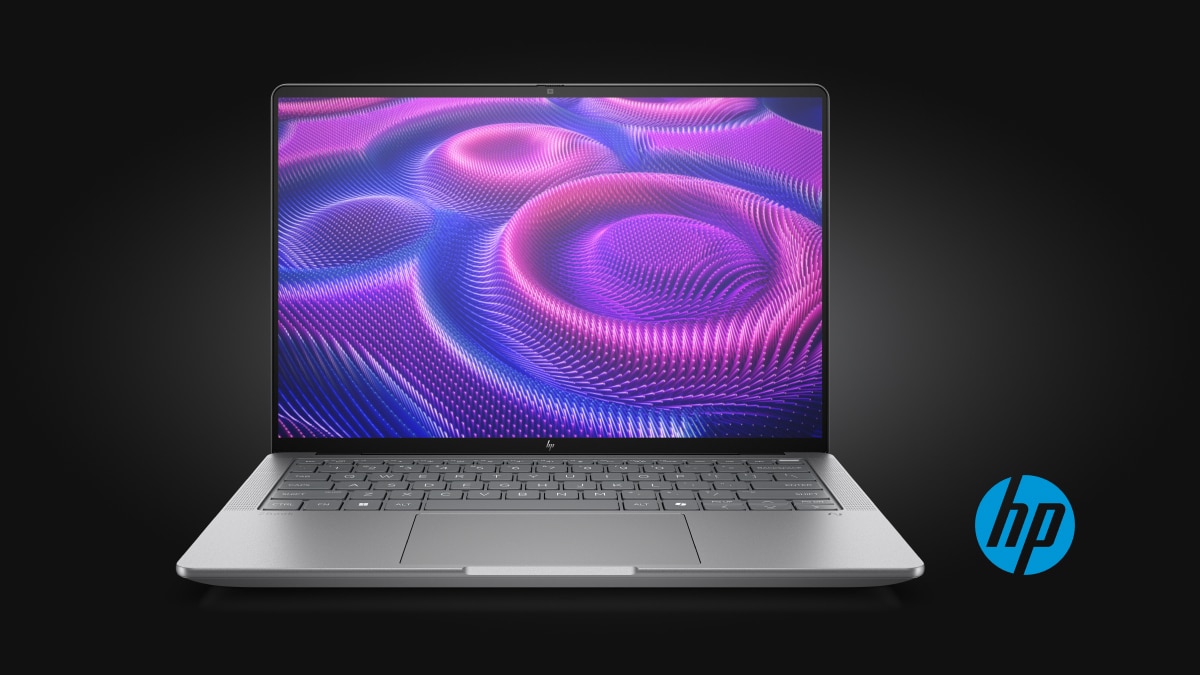
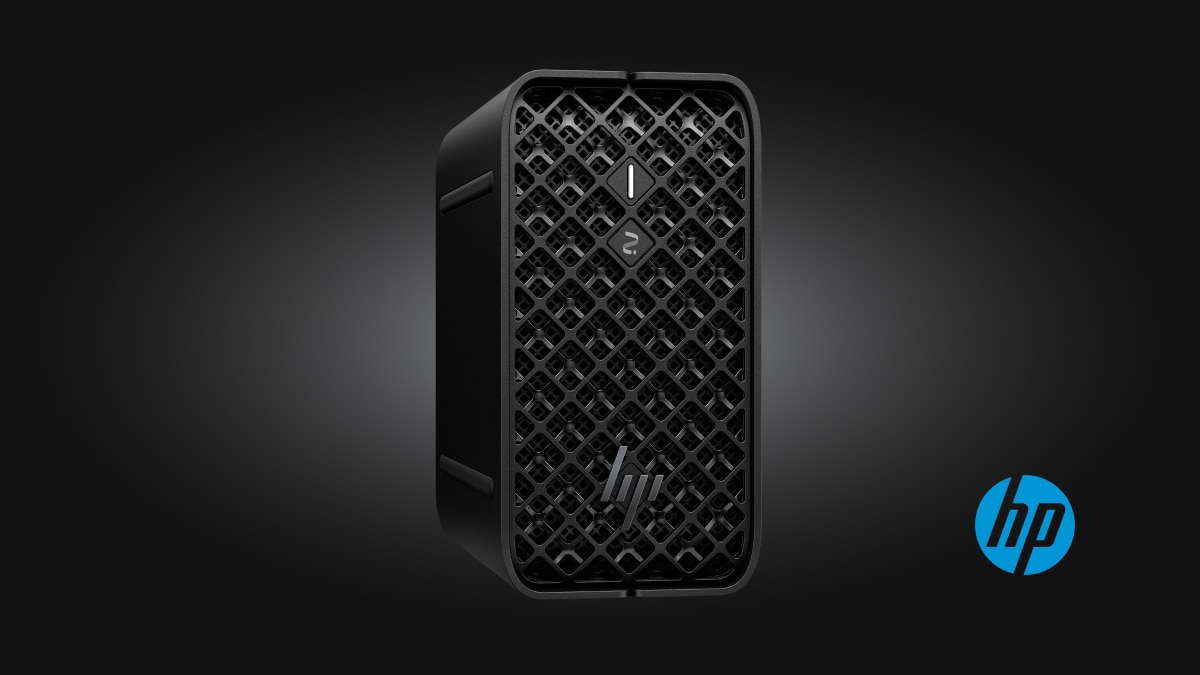
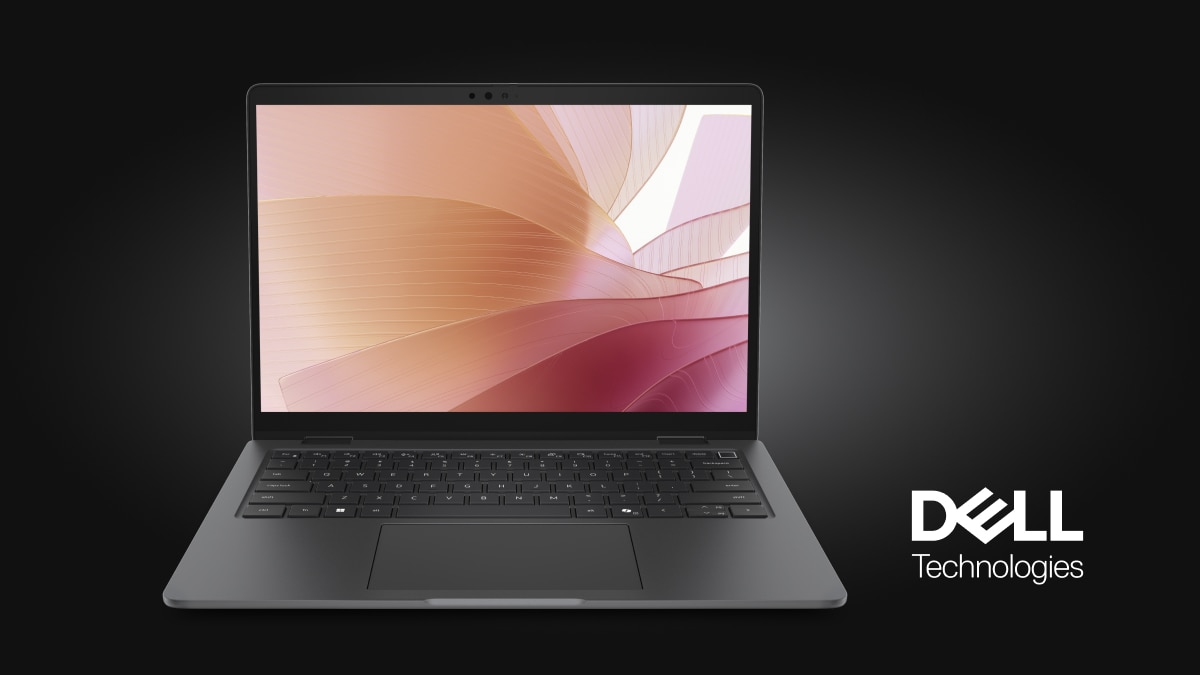
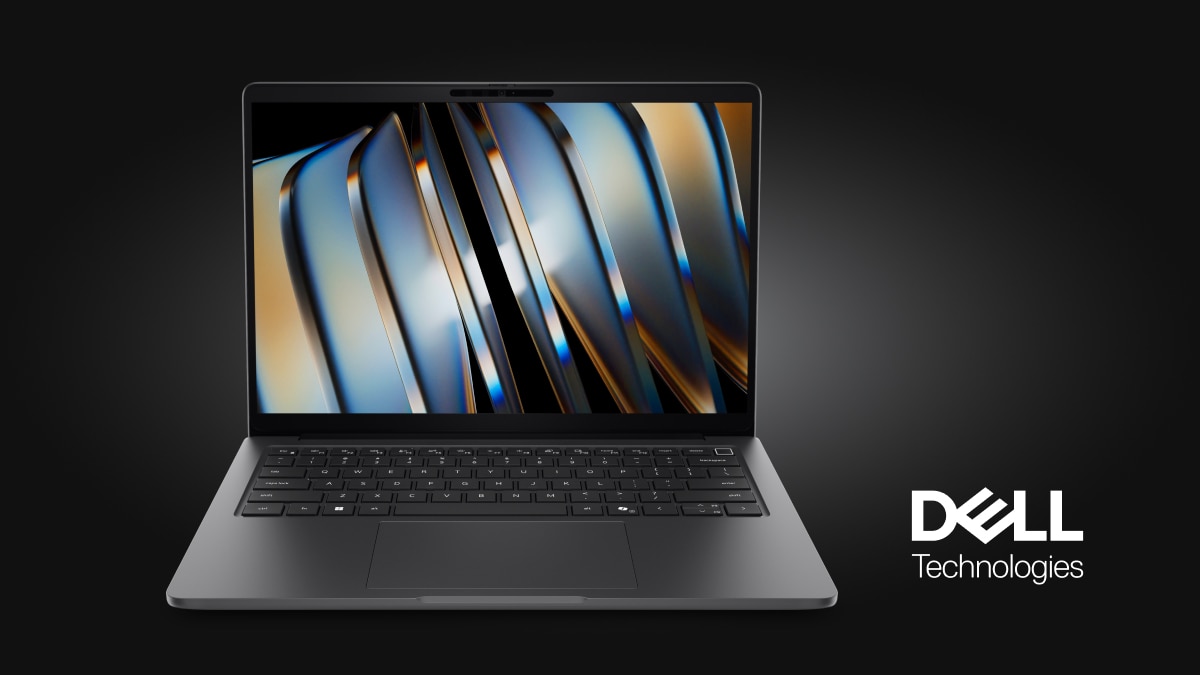
Explore commercial Agentic PCs powered by AMD Ryzen™ AI PRO and Ryzen™ AI Max PRO processors.
FAQ
Agentic PCs help organizations run more advanced AI workloads locally, supporting low cloud inference costs, improving data control, and enabling AI agents to support more sophisticated enterprise workflows.
Agentic PCs enable more AI workloads to run locally, reducing reliance on cloud inference for everyday tasks. This helps organizations optimize token usage, lower AI operating costs, and reserve cloud resources for larger or more complex models.
Running AI agents locally improves responsiveness, keeps sensitive business data closer to where work happens, and reduces dependence on cloud infrastructure. Organizations can use local AI for everyday workloads while leveraging the cloud when additional scale is needed.
Agentic PCs support enterprise workflows that require planning, analysis, and multi-step execution. Common examples include software engineering, IT operations, cybersecurity, executive support, customer service, and financial analysis.
AMD Ryzen™ AI Max PRO processors are designed for demanding Agentic AI workloads, delivering high-performance compute, large unified memory, and the ability to support advanced local AI models and multiple concurrent AI agents.
As AI evolves from assisting employees to supporting end-to-end workflows, organizations need systems that can deliver greater performance, lower AI infrastructure costs, and stronger control over enterprise data. Agentic PCs help enable that next generation of business computing.
Register for our upcoming webinar and hear directly from AMD experts about Agentic PCs, enterprise AI, and local AI workloads.